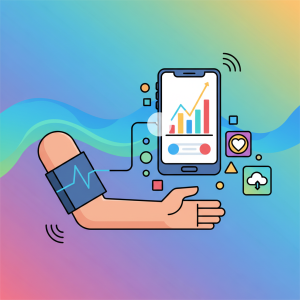
The search for a healthy and balanced diet is an ongoing journey for many people. In today's digital age, technology has become a vital tool in this quest, especially through diet and nutrition apps. These apps offer a variety of features, including calorie tracking, personalized meal plans, and wellness tips, helping users achieve their health and fitness goals effectively and efficiently.
However, choosing the right app can be challenging considering the vast array of options available. This article aims to simplify that choice by highlighting five popular diet apps, each with their own unique features. We'll explore the features, benefits, and limitations of each, providing valuable insights to help you choose the app best suited to your individual needs.
Best Diet Apps
1. MyFitnessPal
MyFitnessPal is widely recognized for its extensive food database, which makes it easy to track calories and nutrients. The app also allows users to log their physical activity, offering a holistic view of the balance between diet and exercise. Additionally, MyFitnessPal has an active community where users can share their journeys and tips, creating a supportive and motivating environment.
This app is ideal for those who want detailed control of their caloric and nutritional intake. It also offers customizable features, allowing users to tailor the app to their specific diet and lifestyle needs.
2. Lose It!
Lose It! is another popular app that focuses on weight loss through food and exercise tracking. With an easy-to-use interface, users can set weight goals and track their progress intuitively. The app also offers a barcode scanning feature, making it easier to register packaged food.
The difference between Lose It! is its ability to customize diet plans based on users' individual goals and preferences. In addition, the application provides feedback and suggestions based on the data entered, helping you make more informed decisions about your diet.
3. Noom
Noom stands out for its psychological focus on weight loss. The app combines food and exercise tracking with emotional and educational support. It employs behavioral psychology techniques to help users understand and change their eating habits for the better.
Noom is particularly useful for people looking for a more comprehensive, mind-based approach to weight loss. The app offers personalized support from coaches and a community to share experiences and challenges.
4. FatSecret
FatSecret It is an excellent choice for those looking for simplicity and effectiveness. It offers features like food tracking, diet and exercise diary, and a diet calendar to view progress. The app also has an image recognition function, allowing users to take photos of their meals for easy recording.
In addition to being easy to use, FatSecret stands out for its active community and forums, where users can seek support and share healthy tips and recipes.
5. Chronometer
Chronometer is ideal for those looking for detailed nutritional tracking. It offers accurate micronutrient and macronutrient analysis, making it perfect for users with specific dietary needs or those interested in a more in-depth analysis of their nutrient intake.
This app is especially useful for specialized diets such as keto or vegan, providing detailed information to ensure all nutritional needs are met.
Features and Benefits
Each of the apps listed offers a range of features that can benefit different types of users. From basic calorie tracking to detailed nutritional analysis, these apps help you maintain a balanced diet and achieve specific health goals. They also promote dietary education and awareness about how different foods affect the body and overall well-being.
Additionally, many of these apps offer social functionality, allowing users to connect with a community of people with similar goals. This interaction can be a significant motivational factor, offering support and encouragement along the health and wellness journey.
FAQ
Q: Are diet apps effective for weight loss? A: Yes, many diet apps are effective for weight loss mainly because they help users keep track of their calorie intake and physical activity.
Q: Are these apps suitable for all types of diets? A: Yes, most diet apps offer customizable options that can suit a variety of diets, from vegan to ketogenic.
Q: Do I need to pay to use these apps? A: Many of these apps offer free versions with basic functionality. Paid versions often include additional features and customization.
Q: Do diet apps replace advice from a nutritionist? A: Although useful, diet apps should not replace professional advice from a nutritionist, especially for people with specific dietary needs.

Conclusion
Diet apps are powerful tools that can help you on your journey to a healthy and balanced diet. They offer a variety of features that suit different needs and preferences, making it easy to track your food intake and reach health goals. However, it is important to remember that these apps are complements and not substitutes for professional nutritional advice. With the right app choice and a balanced approach, achieving a healthier lifestyle can become an affordable and rewarding reality.
note: This article has been formatted to be copied and pasted directly into a WordPress editor using the appropriate header tags. Transcription words have been embedded throughout the text to ensure a fluid and informative reading experience.
Before deciding, check these points.
- What happens to your data?. Health data is sensitive. Check if it's being shared with third parties and if it's possible to delete everything.
- Who developed it?. Give preference to apps from healthcare institutions, universities, or companies with an identified technical manager.
- What the app actually does. Recording information is different from measuring. Health apps organize data that you or a device provide.
- Integration with certified device. When there is a real measurement, it comes from equipment with a sanitary registration — the app only receives the number.
The limits: what no app does
Every category has a limit, and knowing this one's limit saves time and money by avoiding those who promise more than what's available.
- An app that promises to detect disease through photos, sounds, or questionnaires is not supported by any evidence — seek professional help.
- Estimates of steps, calories, and sleep are approximations based on motion sensors, with a significant margin of error.
- They don't provide diagnoses. No app can replace a professional evaluation.
- They are not a substitute for prescribed medication or treatment, and should not be used to guide dose changes.
How to truly take advantage of it.
- Always register at the same time. Measurements taken under similar conditions are what allow for comparison. Also note the context: fasting, after exertion, on a stressful day.
- Check out the privacy policy. Health data is sensitive data. Check if it is being shared with third parties and if it's possible to delete everything.
- Write down the value along with the time. Date and time transform isolated numbers into useful historical data for the professional.
- Use certified equipment when taking measurements. The cell phone doesn't measure; the equipment with sanitary registration does the measuring. The app only stores the number.
Common mistakes that are costly
- Taking estimated steps, sleep, or calories as an exact measurement—that's an approximation using a motion sensor.
- Believing that a cell phone measures blood pressure, glucose, or body temperature is wrong; there is no sensor for that in the device.
- Install an app that promises to detect disease through photos, sounds, or questionnaires.
- Changing medication dosage based on a number seen in the app.
The alternative that is already included in the system
Android and iPhone already come with a native health app that consolidates steps, sleep, and measurements sent by other devices, with privacy controls by data type. It's usually the safest place to store your history, and you can export it to take to your doctor.